
15th May 2026
Last August I wrote two blog posts featuring lessons about history and geography. Each contained a fair bit of the other, and the geography post mentioned the Monarch’s Way – the long distance route taken by Charles ll into exile in France after his final defeat in the English Civil War.
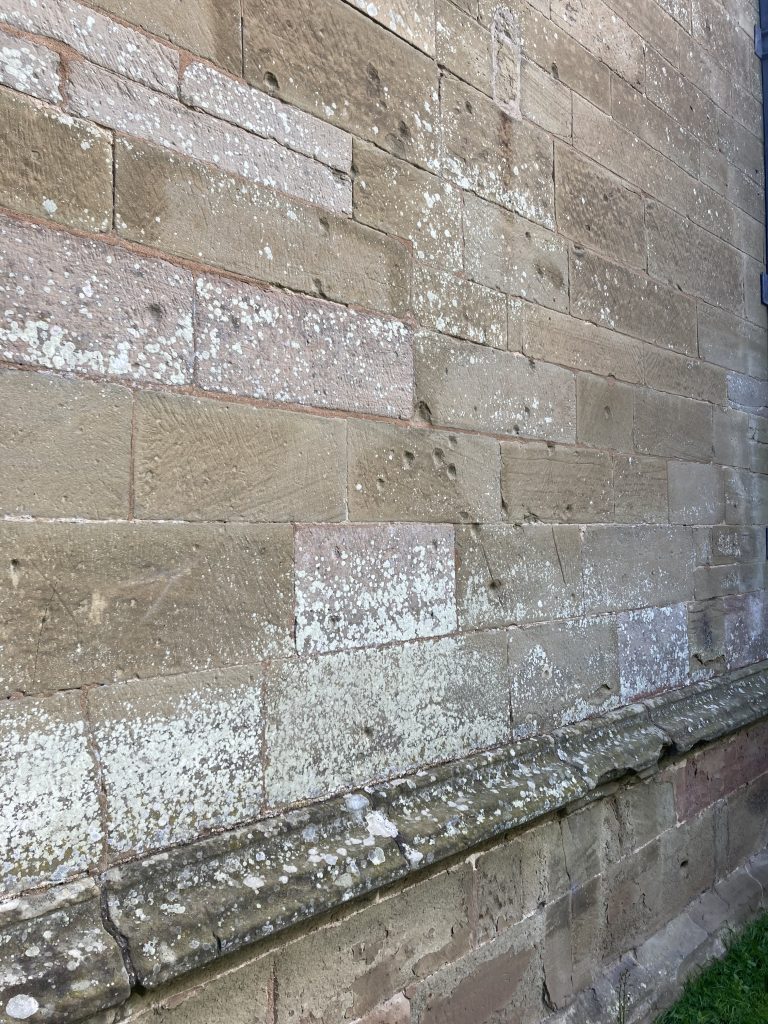
That defeat took place 375 years ago, on 3rd September 1651 at the Battle of Worcester. Yesterday I had the marvellous and moving experience of joining an informal guided walk around and within that city, following the events of that fateful day in approximately real time as they had unfolded, in the locations where battle was joined. I’m not talking reenactment here – there are no pictures of me in a long flowing curly wig or shiny breastplate. Instead, having the opportunity of immersing ourselves where it all happened conjured up its own atmosphere, and physical evidence of the conflict can still be seen – witness these musket holes in the wall of the tower of St Peter’s Church, Powick:
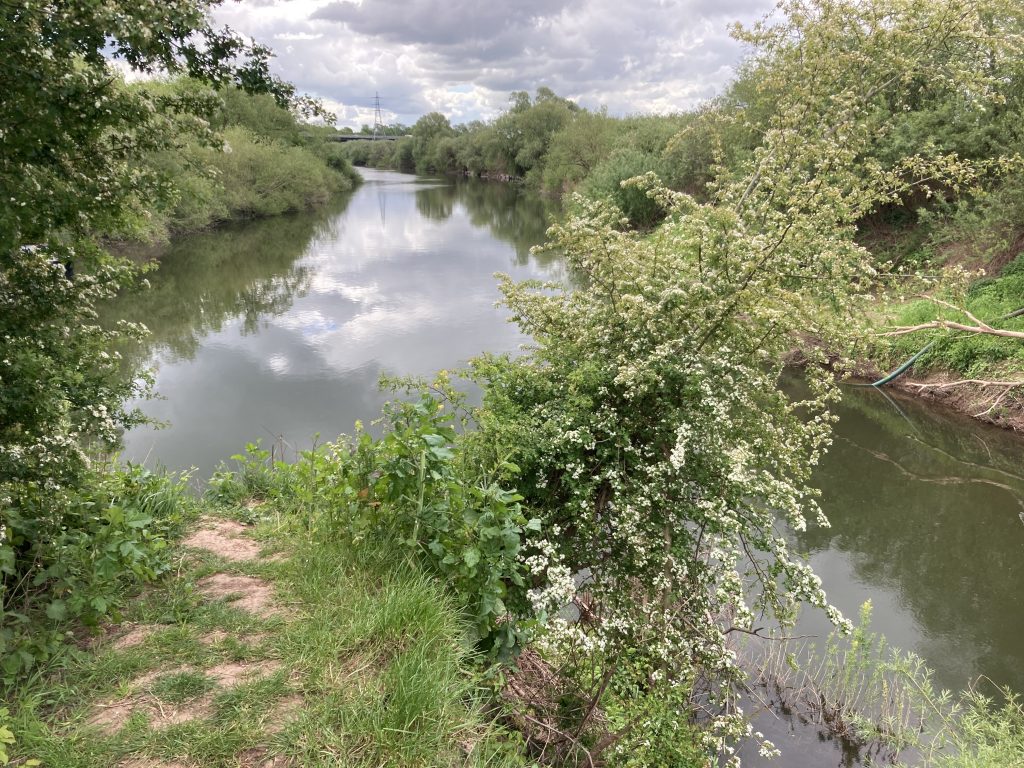
When our leader took us to the fields by the confluence of the rivers Teme and Severn, he described the fighting at close quarters which took place there after Cromwell’s men had crossed the rivers on ingenious bridges made of boats as “desperate”. I found it very moving, an awful thing to contemplate being involved in. It felt surprisingly real, somehow heightened by the quietness of the spot on a 21st century spring day:
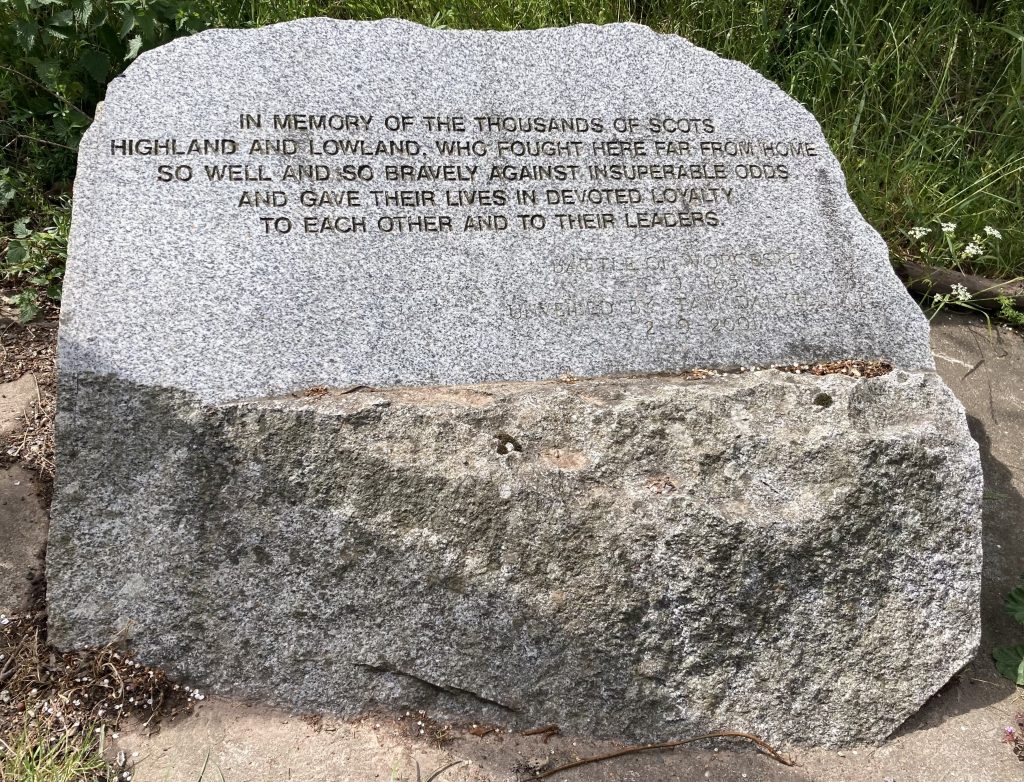
The Scots! The ‘English’ civil war was a complicated business. I could write reams about what little even I know, but this post is going to be too long already.
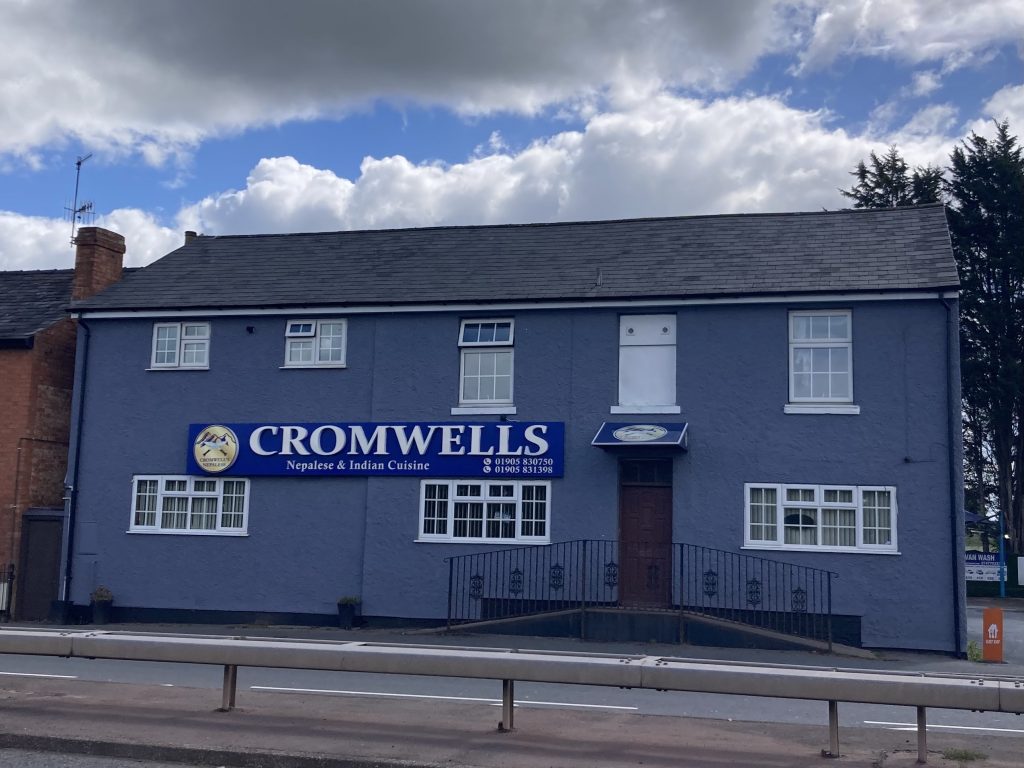
It wasn’t all doom and gloom. Here’s the curryhouse where the Roundheads dined on the eve of battle 😆:
The King enjoyed more salubrious fare. We took our lunch in the very building from where he made his escape, galloping north with his officers to begin his long and tortuous journey:
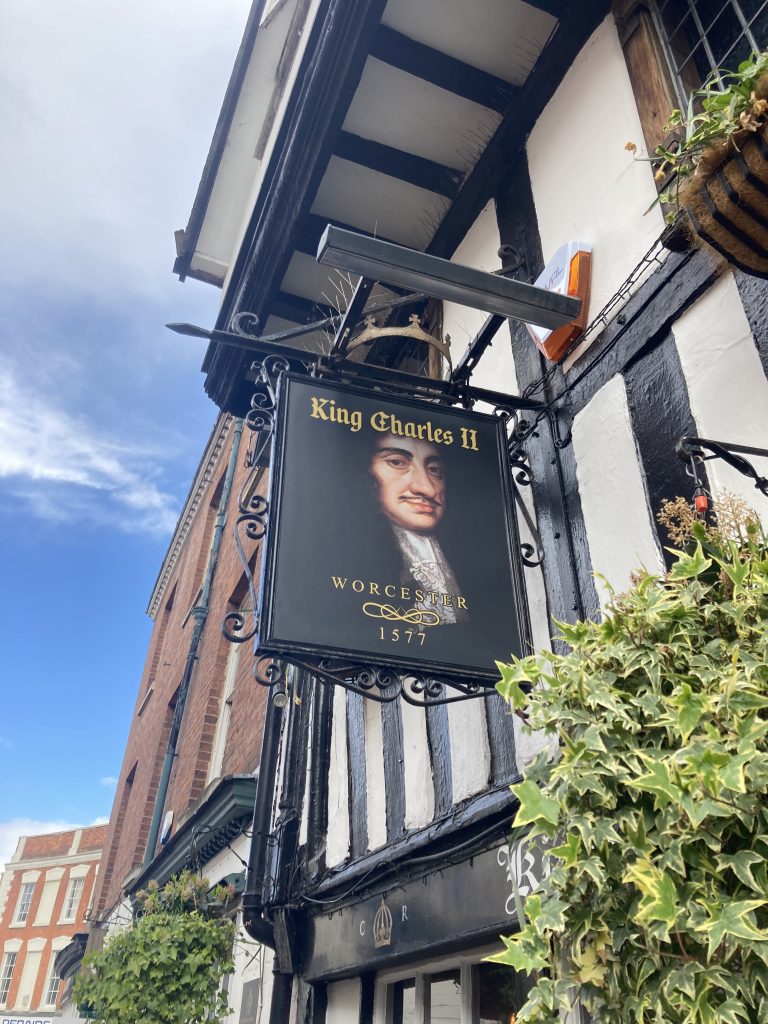
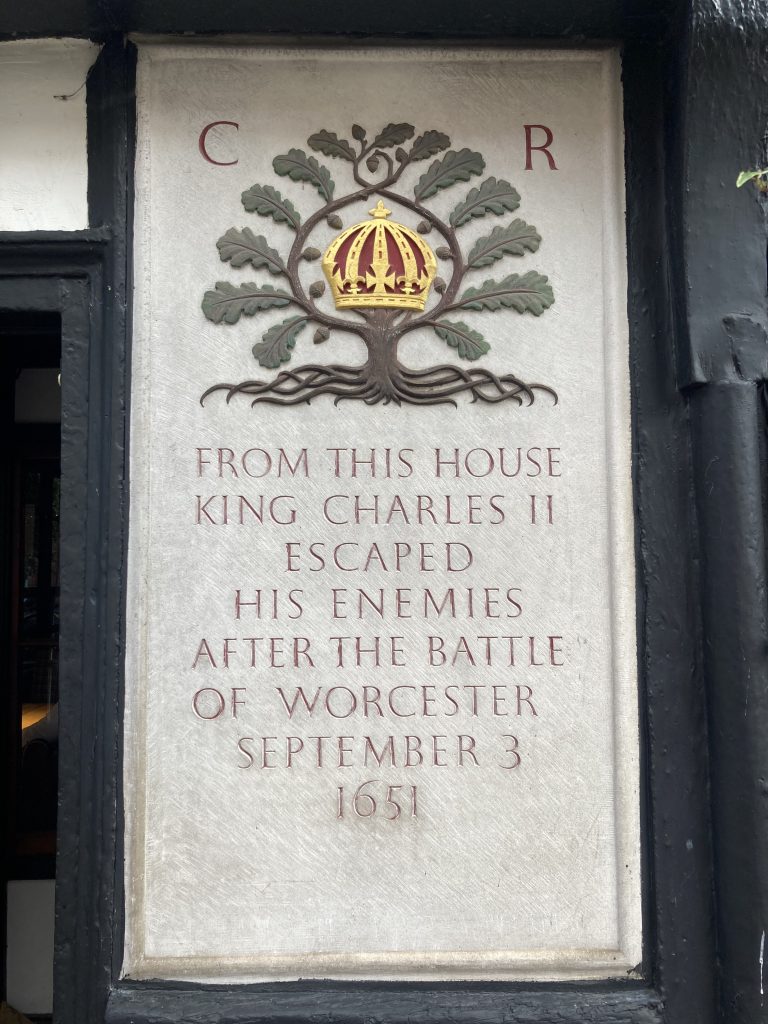
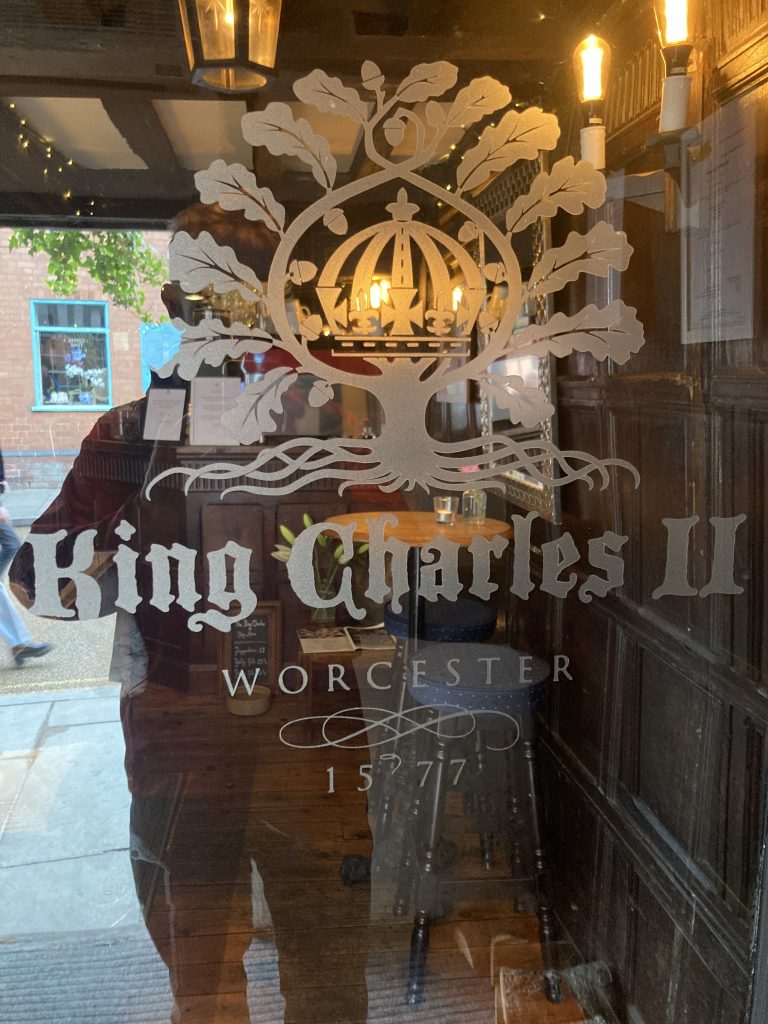
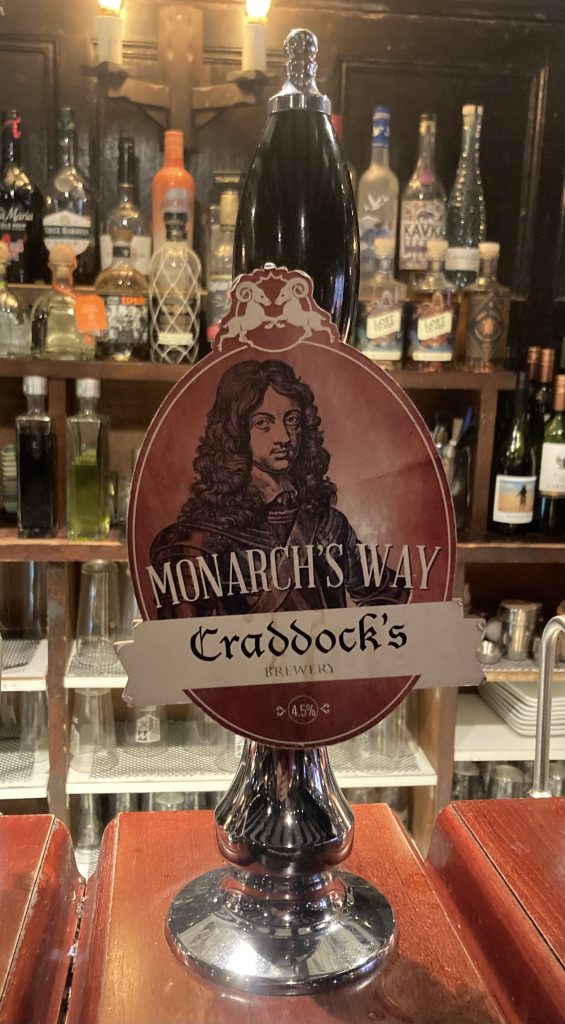
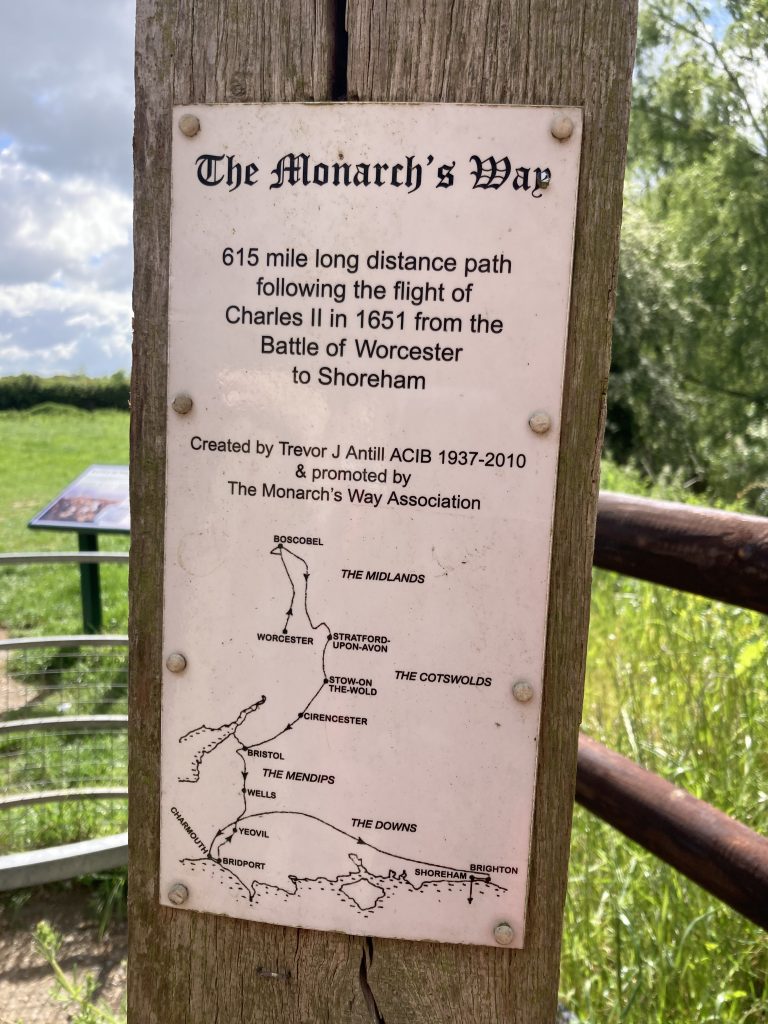
A few pints of the excellent amber ale must have got them off to a flying start – they covered about 40 miles on that first ride to Boscobel, where a couple of days later Charles famously hid from his pursuers in the ancient oak. Standing outside the Tudor inn now bearing his name I really sensed the peril he was in – he was fleeing for his life and for the monarchy itself.
The city of Worcester does an excellent job of commemorating the battle, with these memorials at Fort Royal standing out:
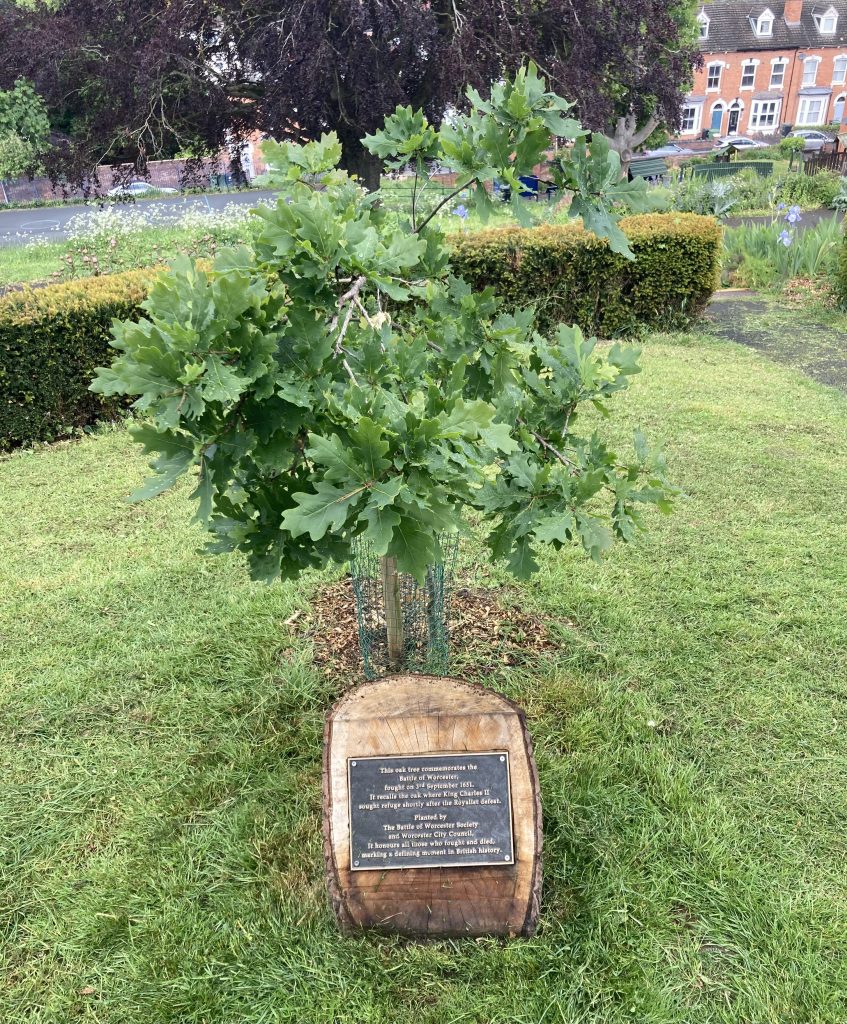
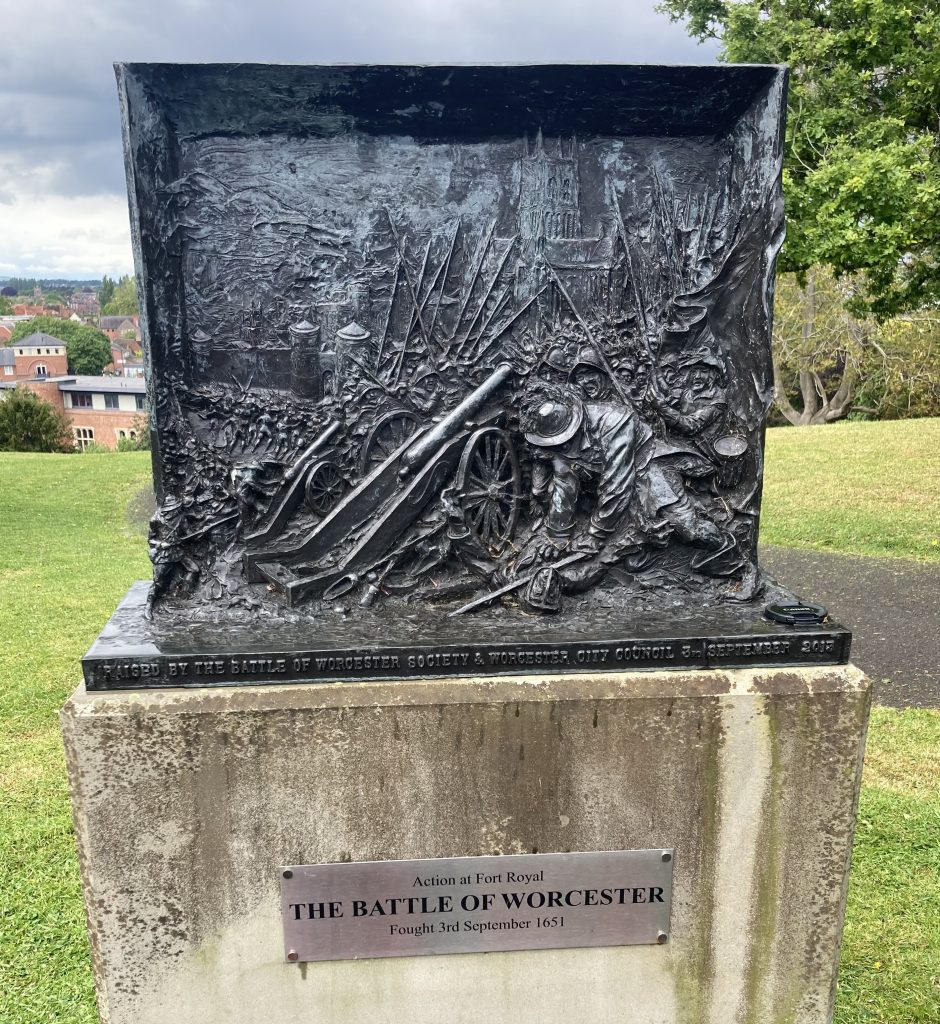
The artwork doesn’t shy away from the bloody reality of war. Ugh.
Even the Americans eventually got a look in, with two future presidents stopping by in 1786:
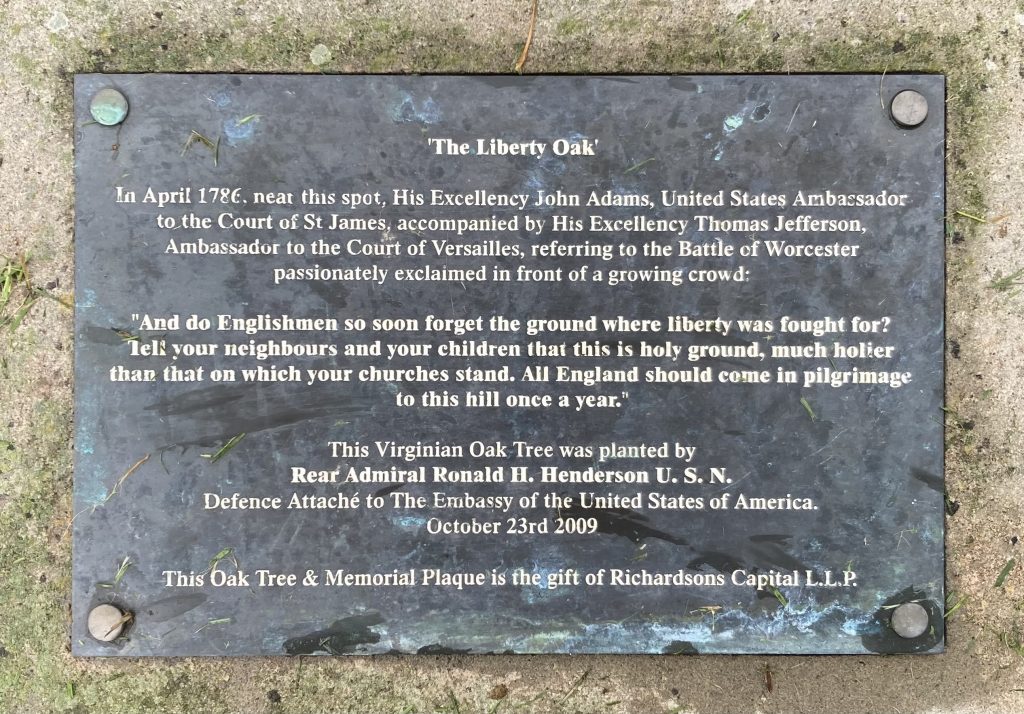
Food for thought.
Our walk leader has created a great website about all this:
https://www.thefugitiveking.uk
But what, you all shout, has any of this got to do with Barbados? Being brutally honest: nothing! That’s not strictly true – Barbados was the most important 17th century British colony in the West Indies, and after Charles ll’s restoration to the throne in 1661 (which would surely have seemed impossible to him during his desperate days a decade earlier) he was the first monarch served by William Blathwayt of Dyrham (see ‘History lesson’, 10.8.25). A tenuous link, you might politely venture – I’ll cheerfully concede that. Nonetheless I felt inspired to connect the historical threads I first wove a few months ago – as Magnus Magnusson or Clive Myrie might say, “I’ve started, so I’ll finish”. And now it’s high time I did 😎. Over and out!
Leave a Reply